Ultimate Guide to Kilimanjaro Trekking: Tips and Packages
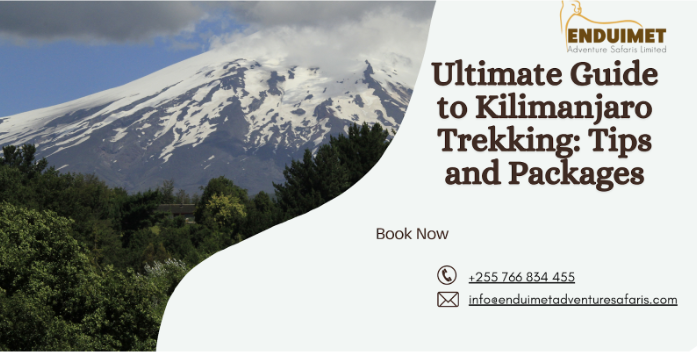
Ultimate Guide to Kilimanjaro Trekking: Tips and Packages
Why Trek Mount Kilimanjaro?
Mount Kilimanjaro is the highest free-standing mountain in the world. Its beauty is unmatched—lush rainforests, moorlands wrapped in mist, alpine deserts, and finally, the iconic glacier-crowned summit. Trekking here isn’t just a physical adventure; it’s an emotional and cultural experience that stays with you long after the descent.
Whether you dream of conquering Uhuru Peak or simply walking through Kilimanjaro’s legendary landscapes, every step feels like a chapter of an ancient poem whispering beneath your boots.
Choosing the Right Kilimanjaro Trekking Packages
Selecting the ideal Kilimanjaro trekking packages depends on your fitness level, budget, available time, and preferred trekking experience. At Enduimet Adventure Safaris, we offer customized options to suit beginners, seasoned hikers, and those seeking a more immersive cultural experience.
What to Consider When Choosing a Package:
- Duration: Packages typically range from 5–9 days. Longer itineraries allow better acclimatization.
- Route Difficulty: Some routes are easier and more scenic, while others are steep and challenging.
- Group Size: Choose between private treks and group treks.
- Support Team: Professional guides, cooks, and porters ensure a safe and comfortable journey.
Our team specializes in creating supportive, safe, and unforgettable Kilimanjaro trekking tours that match both your budget and your goals.
The Popular Marangu Route: “The Coca-Cola Route”
Among all routes, the Marangu Route Kilimanjaro remains one of the most iconic. Known for hut accommodations instead of tents, it is the only route offering sleeping shelters, making it ideal for climbers seeking comfort.
Why Choose the Marangu Route?
- Accommodation in comfortable huts
- Gradual trail, great for beginners
- Stunning rainforest and moorland scenery
- A direct and classic path to the summit
Although it is considered one of the easier trails, the Marangu Route still demands preparation and determination. Its beauty lies not only in its landscapes but in the sense of historical significance—it is the oldest and most traditional path up the mountain.
Top Kilimanjaro Trekking Tours with Enduimet Adventure Safaris
Every journey with us is crafted with care. Our Kilimanjaro trekking tours include:
- Professional English-speaking guides
- High-quality camping gear (unless taking the Marangu Route)
- Chef-prepared meals during the trek
- Emergency oxygen and safety equipment
- Pre-trek briefings and post-trek celebrations
We believe your climb should be both safe and soulful—an adventure that feels like stepping into the rhythm of Kilimanjaro’s timeless poem.
Essential Tips for Mount Kilimanjaro Trekking
To ensure a successful and enjoyable climb, keep these essential tips in mind:
1. Acclimatize Slowly
Altitude sickness is real. Choose a longer route for better adjustment.
2. Pack Smart
Bring layered clothing, quality trekking boots, a warm sleeping bag, and hydration systems.
3. Train Before Your Trek
Regular walking, hiking, and cardio preparation are recommended.
4. Stay Hydrated & Eat Well
Your body needs fuel—drink plenty of water and eat full meals.
5. Trust Your Guides
Our experienced guides are trained to monitor your health, pace your climb, and ensure a safe journey.
Combine Your Trek with a Safari in Tanzania
If you want the ultimate East African adventure, consider adding a Safari Tanzania Kilimanjaro extension. Imagine descending from the snow-capped summit, then exploring the Serengeti, Ngorongoro Crater, or Tarangire with the same team committed to exceptional service.
This combination blends the poetry of high peaks with the raw beauty of Tanzania’s wildlife, making your trip as unforgettable as the mountain itself.
Climb Kilimanjaro with Enduimet Adventure Safaris
From the rhythmic footsteps on ancient trails to the breathtaking sunrise over Uhuru Peak, your Kilimanjaro journey is a story waiting to be written. At Enduimet Adventure Safaris, we are honored to guide you through every line, every step, and every triumph.
Mount Kilimanjaro Climb – Frequently Asked Questions
- When is the Best Time to Trek?
Kilimanjaro has two main seasons. One from June to October and another from January to mid-march. Outside of these two main seasons you will see less crowds but also not the best weather.
I went in Late August/early September and has absolutely perfect weather! Clear skies for the most part, no fog which is quite prevalent in the afternoons and not a drop of precipitation!
- How Many Days Does it Take?
The number of days will depend on the route that you take. There are 7 official routes that you can take up the mountain as shown below and they all have their own average success rates. As you can see, the longest the route the better the success rate as this lets your body acclimatize to the altitude better. - How Much Does it Cost?
No Kilimanjaro FAQ post is complete without talking about the cost. Unfortunately I don’t have a straight answer here as it will depend on what route you take (number of days) and your tour operator. As a rule of thumb, the longer the route, the higher the cost but also recall that your chance of success will also be higher. I have seen anywhere from $1800 to almost $5000. If the cost is low then you definitely need to be very clear on what is included and what is not. See below for more on this.
- How Should I Pick a Tour Operator?
Picking a tour operator is probably the most difficult decision you will have to make after you decide to do the trek. First there are over 4000 tour operators to choose from and second, they all offer different levels of service.
As I mentioned if the cost is low, then there maybe a catch or two. This maybe the case because the operator does not pay the crew well and you certainly want to avoid these companies. You should make sure you ask them very specific and targeted questions in addition to reading in-depth reviews from past trekkers.
Here are some questions to ask:
- What is included in the cost – meals/snacks/equipment
- What day and time do you summit – a midnight summit or a day time summit?
- What is the last camp prior to summit? – Barafu or Kosovo? (Kosovo is better!)
- What is the plan post summit? – which camp do you need to descend down to
- What gear is included? – tent only or sleeping bags etc.
- What gear is available for rent?
- Is a portable toilet included or an extra?
- What is the guide to trekker ratio?
- What is the crew to trekker ratio?
- How experiened are the guides?
- Are hotel stays/airport transfers pre/post trek included?
- Sample food menu?
- What do they do to take care of the crew? – education?
- How Difficult is the Trek?
This is another subjective FAQ for Kilimanjaro but one that is always asked. The level of difficulty will definitely differ from person to person. It will also depend on how well you do with altitude. Of course prior experience or the lack of experience is not an indicator of how well you will do or not do. The hardest day for me was summit night. In fact, I would say it was the hardest thing I’ve ever done physically but the other days were not bad at all. I was lucky that I didn’t have any altitude sickness. My advice would be to train well prior, eat well on the trek and be prepared with medication. Remember, one foot in front of the other – that’s really all you have to do even when things get tough!
Recent Posts
8 Days Tanzania Luxury Safari
Climbing Mount Kilimanjaro: Routes, Costs, and Best Time to Trek
A First-Time Safari Adventure in Tanzania
What to Expect on a Tanzania Private Camping Safari
Mount Kilimanjaro Climbing Guide: Choosing the Best Time